

You have chosen the destination. You have created the retreat experience. You have found a beautiful venue in Bali.
A practical guide for yoga teachers and wellness practitioners who want to fill their retreat with the right guests — and reduce the risk of cancellation.
Now comes the part that many retreat leaders find the most challenging:
How do I actually fill the retreat?
For many yoga teachers and wellness practitioners, creating the retreat itself is the easy part. You know how to teach, guide, support, and create meaningful experiences for your community.
Selling the retreat can feel very different.
You may worry about being “too salesy.” You may announce your retreat on Instagram and wait for bookings. You may have people telling you, “This sounds amazing! I would love to come,” but then hesitate when it comes time to make a deposit.
And if bookings are slower than expected, the pressure can become very real.
The good news is that filling a retreat does not necessarily require thousands of followers or a huge marketing budget. It requires a plan, consistent communication, personal connection, and enough time to adjust your strategy before it is too late.
- 1 First: Don’t Wait Until Your Retreat Is Almost Here
- 2 Your 90-Day Retreat Booking Plan
- 3 Days 90–61: Build Your Pipeline
- 4 Days 60–31: Create Momentum
- 5 Days 30–0: Convert the Final Spaces
- 6 Your Weekly Retreat Sales Dashboard
- 7 Your 90-Day Checklist
- 8 The Most Important Lesson
- 9 Planning Your Bali Retreat?
First: Don’t Wait Until Your Retreat Is Almost Here

One of the biggest mistakes retreat leaders make is treating promotion as something that happens shortly before the retreat.
The reality is that people often need time to make a retreat decision.
They may need to:
- Arrange time away from work
- Discuss the trip with their partner or family
- Organize flights
- Arrange childcare
- Save money
- Find a travel companion
- Understand exactly what is included
- Feel comfortable traveling to Bali
- Decide whether the experience is right for them
That means your job is not simply to announce a retreat.
Your job is to give people enough time and information to move from:
“That sounds amazing” to “I’m ready to book.”
The earlier you start building interest, the more opportunities you have to turn interest into confirmed bookings.
Your 90-Day Retreat Booking Plan
Think of the next 90 days as three stages:
- Days 90–61: Build the Pipeline
- Days 60–31: Create Momentum
- Days 30–0: Convert the Final Spaces
The mistake is waiting until the final 30 days to start selling. By then, you are no longer building demand — you are trying to rescue the retreat.
Days 90–61: Build Your Pipeline

Your first objective is simple: know who could realistically come.
You don’t need everyone to be interested. You need the right people. Start with the people who already know, like, and trust you.
Make a List of Your Warm Audience
Think about:
- Current yoga students
- Previous students
- Private clients
- Wellness clients
- Previous retreat participants
- Workshop participants
- Newsletter subscribers
- Instagram followers who regularly engage with you
- Friends and members of your community
- People who have previously asked about your retreats
- People who have told you they want to visit Bali
Don’t just look at your follower count. Look at relationships. A yoga teacher with 2,000 highly engaged followers may have a much stronger retreat audience than someone with 50,000 followers who rarely interacts with their community.
Create Your First 20-Person List
Before worrying about reaching hundreds of new people, identify 20 people who are realistic potential guests. Write down their names, then ask yourself: would this person genuinely benefit from this retreat?
If the answer is yes, don’t wait for them to discover your Instagram post. Start a conversation. For example:
“I’m planning something very special in Bali and thought of you. I think it could really resonate with you. Would you like me to send you the details?”
This feels very different from a mass sales message. It is personal. And personal conversations often create the strongest bookings.
Define the Transformation

People don’t book a retreat simply because it includes yoga classes, healthy food, beautiful accommodation, and sunshine. They book because they want something to change.
Ask yourself: what will my guest feel, experience, or understand differently after this retreat?
Perhaps your retreat is about:
- Reconnecting with yourself
- Slowing down
- Releasing stress
- Deepening a yoga practice
- Creating healthier habits
- Reconnecting with the body
- Building confidence
- Healing from burnout
- Creating space for reflection
- Finding a supportive community
Your marketing should communicate this transformation. Instead of:
“Join me for a 7-night yoga retreat in Bali,”
try:
“Join me for seven days to slow down, reconnect with your body, deepen your practice, and create space for yourself.”
The destination gets attention. The transformation creates desire.
Build Your Retreat Story
People also want to know: why are you doing this retreat?
Tell them. Share:
- Why Bali?
- Why this retreat?
- Why now?
- Why did you create this experience?
- What does this work mean to you?
- What kind of person will benefit most?
- What do you hope participants take home with them?
Your personal story is one of your strongest sales tools, because people aren’t only buying a holiday. They are deciding whether they trust you to guide their experience.
Days 60–31: Create Momentum
By now, people should know that your retreat exists. Your goal now is to keep the retreat visible and make it easier for people to make a decision.
Don’t make every post “BOOK MY RETREAT!” Instead, create content that helps people imagine themselves there.
Show the Experience
You can share:
- Your teaching — Show people what they will experience with you.

- Your philosophy — Explain what you believe about yoga, wellness, movement, or personal growth.

- Your destination — Show Bali, nature, food, culture, and the surrounding environment.

- Your venue — Help people visualize where they will sleep, practice, eat, and relax.
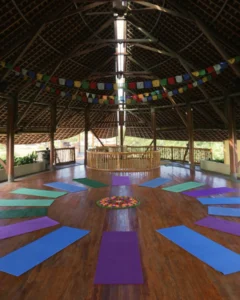
- Your retreat activities — Show what happens outside the yoga mat.

- Your previous participants — Share testimonials and stories.

- Your own preparation — Let people see you creating the retreat.
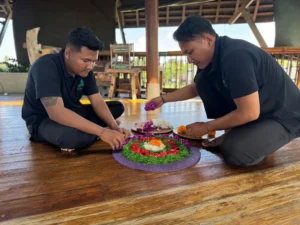
Frequently asked questions — Answer the questions people may be nervous to ask.
The objective is to help someone move from “I wonder what this retreat is like” to “I can picture myself being there.”
Don’t Forget Email
Social media is useful, but don’t rely entirely on social media algorithms to sell your retreat. If you have an email list, use it. A simple sequence could include:
- The Invitation — Introduce the retreat and explain why you created it.
- The Experience — Show what participants will actually experience.
- Your Story — Explain why this retreat matters to you.
- Who It’s For — Help readers decide whether the retreat is right for them.
- The Questions — Answer common concerns about price, travel, rooms, food, schedule, and the experience.
- The Invitation to Book — Give people a clear next step.
You don’t need to send six emails in six days. Spread them throughout the campaign so your retreat remains part of the conversation.
Turn Interest Into Conversations

Here’s an important distinction: likes are not bookings. Neither are story views, website visits, “This looks amazing!” or “I’d love to come someday.”
These are signs of interest. Your job is to discover whether that interest can become a booking.
If someone responds positively to your post or email, start a conversation:
“What part of the retreat appeals to you most?” or “Would you like me to send you the full details?”
Then listen. Sometimes the person doesn’t need more marketing — they simply need an answer to one question.
Follow Up Without Feeling Salesy
Many yoga teachers and wellness practitioners are uncomfortable with follow-up. They worry: “I don’t want to pressure them.”
But following up isn’t about pressuring someone. It’s about helping them make an informed decision. Someone may have been interested but:
- Got busy
- Forgot
- Needed to check their schedule
- Needed to speak to their partner
- Had questions about the price
- Wasn’t sure about traveling alone
- Wanted to understand the accommodation
- Needed more time
A simple follow-up can reopen the conversation. For example:
“Hi Sarah, I wanted to check in because you mentioned you were interested in the Bali retreat. Is there anything you’re still unsure about that I can help you with?”
That’s not pressure. That’s service.
Days 30–0: Convert the Final Spaces
Now you should know exactly where you stand. Don’t guess — count your bookings.
If your retreat has 12 spaces and you have:
- 10 confirmed → You need 2 more.
- 6 confirmed → You need 6 more.
- 2 confirmed → You have a much bigger sales gap and need to act immediately.
This is why tracking your numbers matters.
Don’t Wait Until the Last Week to React
If your bookings are behind target at 30–45 days before the retreat, don’t simply post more photos. Diagnose the problem. Ask:
- Is enough of my audience seeing the retreat? If not, increase your reach.
- Do people understand the value? If not, improve your messaging.
- Are people interested but not booking? If so, identify their objections.
- Is the price the issue? Make sure the value and inclusions are clearly communicated.
- Are people worried about traveling to Bali? Provide practical information and reassurance.
- Am I actually following up? Go back to the people who previously expressed interest.
The earlier you identify the problem, the more options you have.
Use Your Community to Fill the Final Spaces
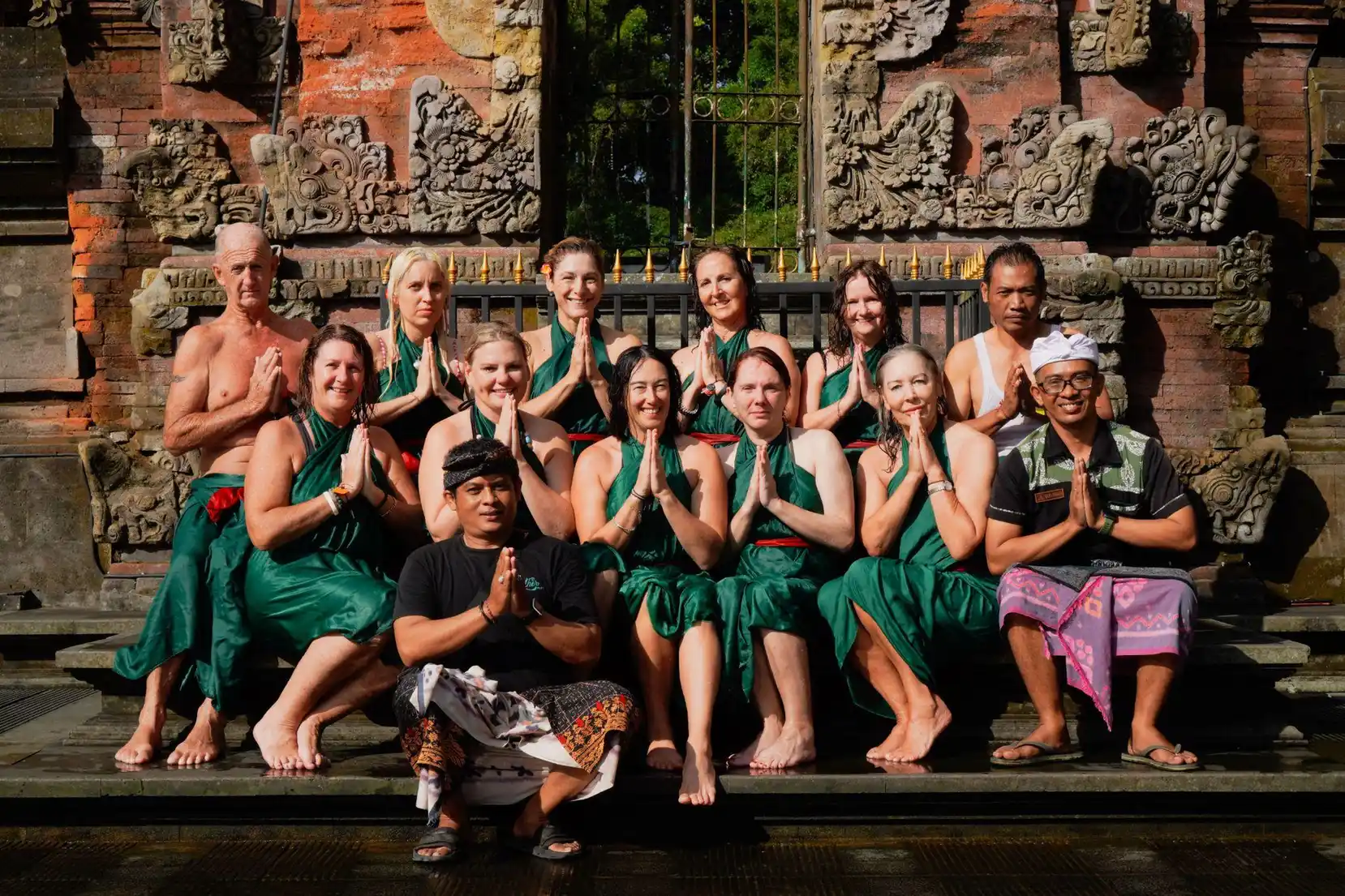
Your existing guests can become your best marketing channel. Ask them:
“Who do you know who would love this experience?”
Create a referral incentive if appropriate. Encourage guests to:
- Share the retreat with a friend
- Forward your email
- Tag someone who might be interested
- Attend an information session together
- Bring a partner or friend
People are much more likely to trust a recommendation from someone they already know.
Create a Real Reason to Book Now
People need a reason to move from “maybe” to “yes.” That could be:
- An early-bird deadline
- Limited room availability
- A payment deadline
- A special bonus
- A limited number of spaces
- A final booking date
But keep it genuine. Don’t create artificial scarcity. If there really are only a few rooms remaining, tell people. If the early-bird price really ends on a specific date, tell them. Real urgency helps people make decisions.
Your Weekly Retreat Sales Dashboard
| Metric | Weekly Count |
|---|---|
| Confirmed guests | … |
| New inquiries | … |
| Personal conversations | … |
| Follow-ups completed | … |
| New bookings | … |
Your 90-Day Checklist
Days 90–61: Build the Pipeline
- ☐ Define your ideal guest
- ☐ Define the transformation
- ☐ Create your retreat story
- ☐ Prepare your sales page
- ☐ Prepare photos and videos
- ☐ Contact previous clients
- ☐ Contact previous retreat guests
- ☐ Build your 20-person prospect list
- ☐ Begin personal conversations
- ☐ Start collecting inquiries
Days 60–31: Create Momentum
- ☐ Post consistently
- ☐ Send email campaigns
- ☐ Share your story
- ☐ Share testimonials
- ☐ Show the retreat experience
- ☐ Answer common questions
- ☐ Follow up with interested people
- ☐ Ask for referrals
- ☐ Track weekly bookings
- ☐ Identify your booking gap
Days 30–0: Fill the Final Spaces
- ☐ Review your numbers
- ☐ Contact every warm prospect
- ☐ Follow up with previous inquiries
- ☐ Ask existing guests for referrals
- ☐ Address remaining objections
- ☐ Communicate genuine deadlines
- ☐ Share remaining availability
- ☐ Make the booking process easy
- ☐ Continue personal outreach until the retreat is full
The Most Important Lesson
You don’t need to become a professional salesperson to fill your retreat. You need to become better at inviting people into an experience you genuinely believe will help them.
Your knowledge, your teaching, your story, and your relationship with your community are already powerful assets.
The key is to start early enough, communicate consistently, have personal conversations, follow up, and — most importantly — know your numbers before you reach the point where cancellation becomes your only option.
A retreat should not be a gamble. The more you understand your audience and actively build your bookings, the more confidence you can have that the retreat you’ve worked so hard to create will actually happen.
Planning Your Bali Retreat?
At Floating Leaf Eco Retreat, we believe a retreat venue should be more than a beautiful place to stay. Your venue should be a partner in creating a successful retreat.
From the retreat experience and accommodation to promotional resources, planning support, and local experiences, having the right partner can make the process of hosting a retreat much easier.
If you’re a yoga teacher, wellness practitioner, or retreat leader planning your next Bali retreat, we’d love to learn about your vision and explore how we can support you.
Your retreat begins long before your guests arrive in Bali. And filling it successfully begins long before the first yoga class.
Frequently Asked Questions
Is 90 days enough time to fill a Bali retreat?
Ninety days works well as the focused enrollment push, but it should not be your whole marketing window. Floating Leaf recommends starting promotion 6 to 12 months before the retreat, with dates and venue already secured, then using the final 90 days to convert interested people into bookings.
When should I book the venue: before or after I start promoting?
Book the venue first. A deposit secures your retreat dates, and you need fixed dates, a confirmed venue, and a set price before you can promote with confidence.
Should I offer an early-bird price?
Yes, an early-bird price with a clear deadline gives people a reason to commit early. Pair it with a final-call phase near the end of enrollment to convert people who are still deciding.
What happens if my retreat is not filling in time?
Floating Leaf offers one free reschedule if you need to change your retreat dates, as long as the new dates fall within 12 months of the original booking. Deposits and payments are non-refundable, so contact the team early if bookings are slow.
What marketing help does Floating Leaf give retreat leaders?
Floating Leaf provides landing page support, high-resolution venue photos and videos, pre-written social captions, 3 to 5 launch and reminder email scripts, pricing guidance, and co-promotion on its social pages when scheduled in advance. The free Retreat Planning Guide includes a month-by-month marketing plan.