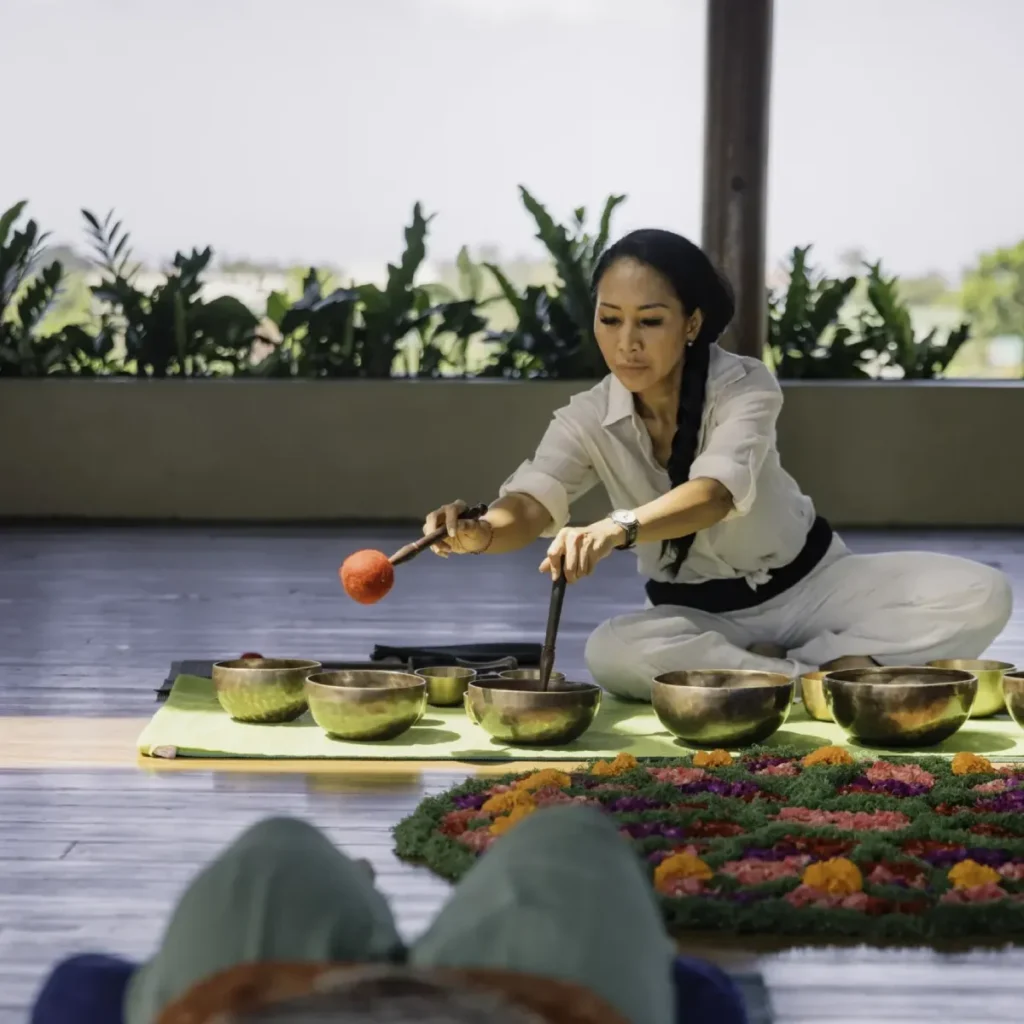

Planning a Bali retreat? Learn how to choose a retreat venue, avoid hidden costs, build a profitable retreat budget, and create a meaningful Bali experience for your guests.
Hosting a retreat in Bali is, on paper, every wellness leader’s dream. Rice terraces at sunrise, a group of participants finally present and unplugged, an island that seems built for transformation. You imagine your participants practicing yoga surrounded by nature, enjoying nourishing meals, exploring Balinese culture, and leaving feeling genuinely transformed.
But behind that beautiful experience is a long list of practical questions:
Where will everyone stay? Who prepares the meals? How will guests get from the airport? What happens if the Wi-Fi doesn’t work? Who coordinates transportation? How much will activities actually cost? And, most importantly, will the retreat make financial sense?
For a retreat leader, these details can quickly become overwhelming.
The challenge isn’t simply finding a beautiful place to stay. It’s finding a retreat partner that can support the entire experience while keeping your costs predictable and your attention where it belongs — on your participants.
The gap between the dream and the reality almost always comes down to two things: venue logistics and hidden costs. Get those wrong, and even the most beautifully designed retreat becomes a stressful, margin-eating headache. Get them right, and Bali delivers exactly what your marketing promises.
Here are seven of the most important things to consider when planning a retreat in Bali.
- 1 1. The Hidden Cost That Turns a Dream Retreat Into a Logistics Nightmare
- 2 2. Build Your Retreat Around a Complete Cost Equation
- 3 3. Cultural Integrity: The Value Your Ticket Price Can’t Buy Anywhere Else
- 4 4. Don’t Forget the Retreat Leader’s Own Costs
- 5 5. Consider the Value of an All-Inclusive Retreat Partner
- 6 6. Create Your Ticket Price From the Bottom Up
- 7 7. Want to Remove the Planning Stress?
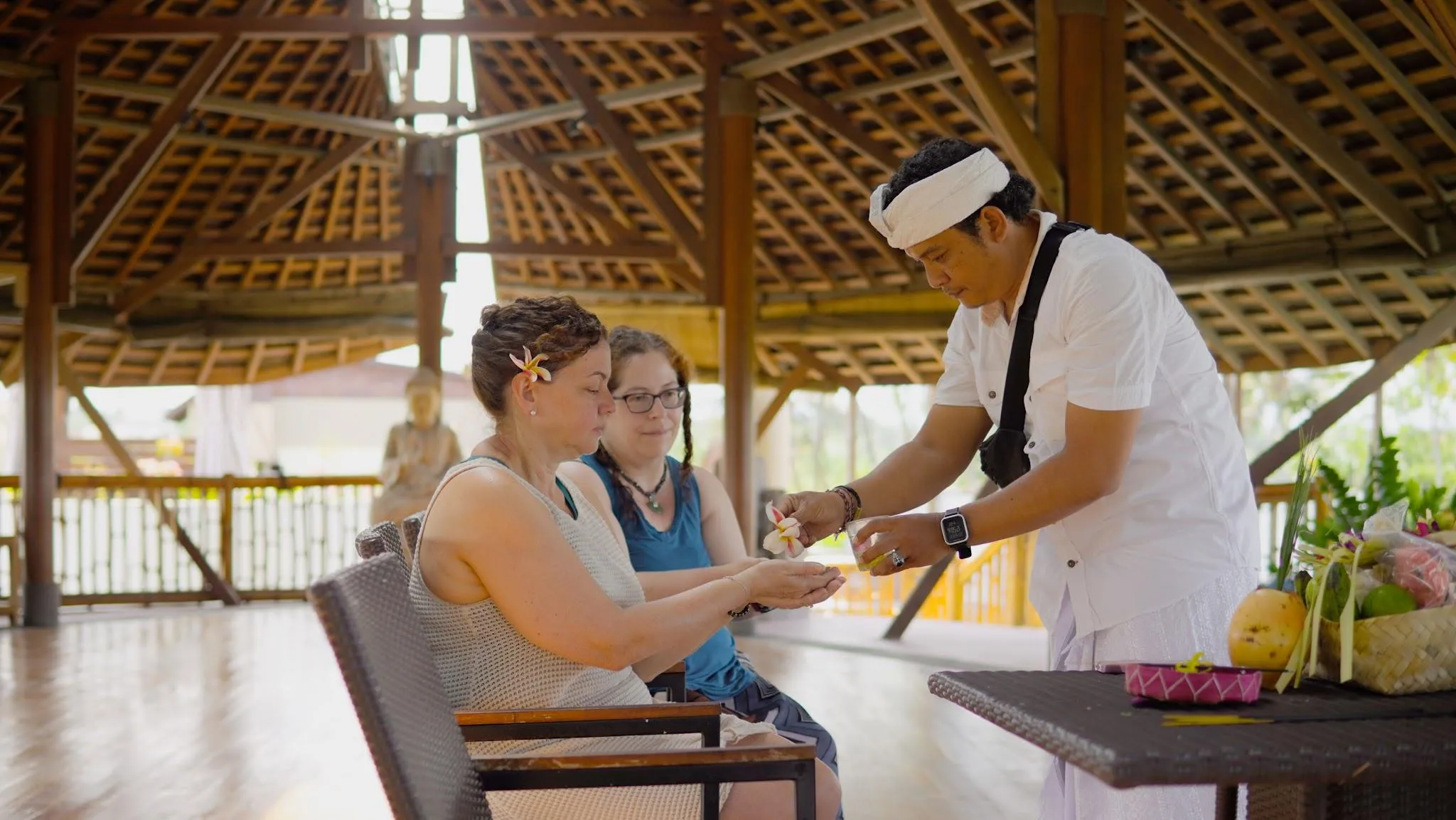
The villa looked perfect in the photos. Four bedrooms, a pool, palm trees, a price that made the budget spreadsheet look healthy. It’s the single most common trap in Bali retreat venues for hire, and it rarely shows up until guests have already arrived.
Here’s what the listing price usually doesn’t include:
- Transport nightmares. Bali’s traffic and road conditions are unforgiving. A villa that’s a beautiful 40 minutes from the nearest usable amenities can quietly cost hours of a leader’s week in coordination, and hundreds of dollars in ad-hoc driver bookings that were never in the original budget.
- Unvetted catering. A villa manager who “knows a great local caterer” is not the same as a kitchen that has fed forty international guests with dietary restrictions before. Food poisoning, missed allergy requirements, or meals that simply don’t arrive on time can derail an otherwise flawless program in a single afternoon.
- No specialized props or space. Yoga retreats need bolsters, blocks, and a floor that doesn’t slope. Breathwork and sound healing need a room that’s actually quiet. Many villas were built for holidays, not for facilitated practice — which means leaders end up shipping in equipment or compromising the program itself.
- Unreliable Wi-Fi. For hybrid programs, content creators documenting the retreat, or participants who simply need to check in with work or family, spotty internet turns into a daily source of friction and complaints.
None of these costs appear on the initial invoice. They show up in the form of stress, guest complaints, and — most damaging — a program that doesn’t deliver what your marketing promised.
 The real question isn’t:
“How much does the venue cost?”
It’s:
“What will it actually cost me to operate the retreat?”
When comparing a villa with a dedicated yoga retreat center in Bali, look beyond the room rate. Ask what is already included and, equally importantly, what isn’t.
2. Build Your Retreat Around a Complete Cost Equation
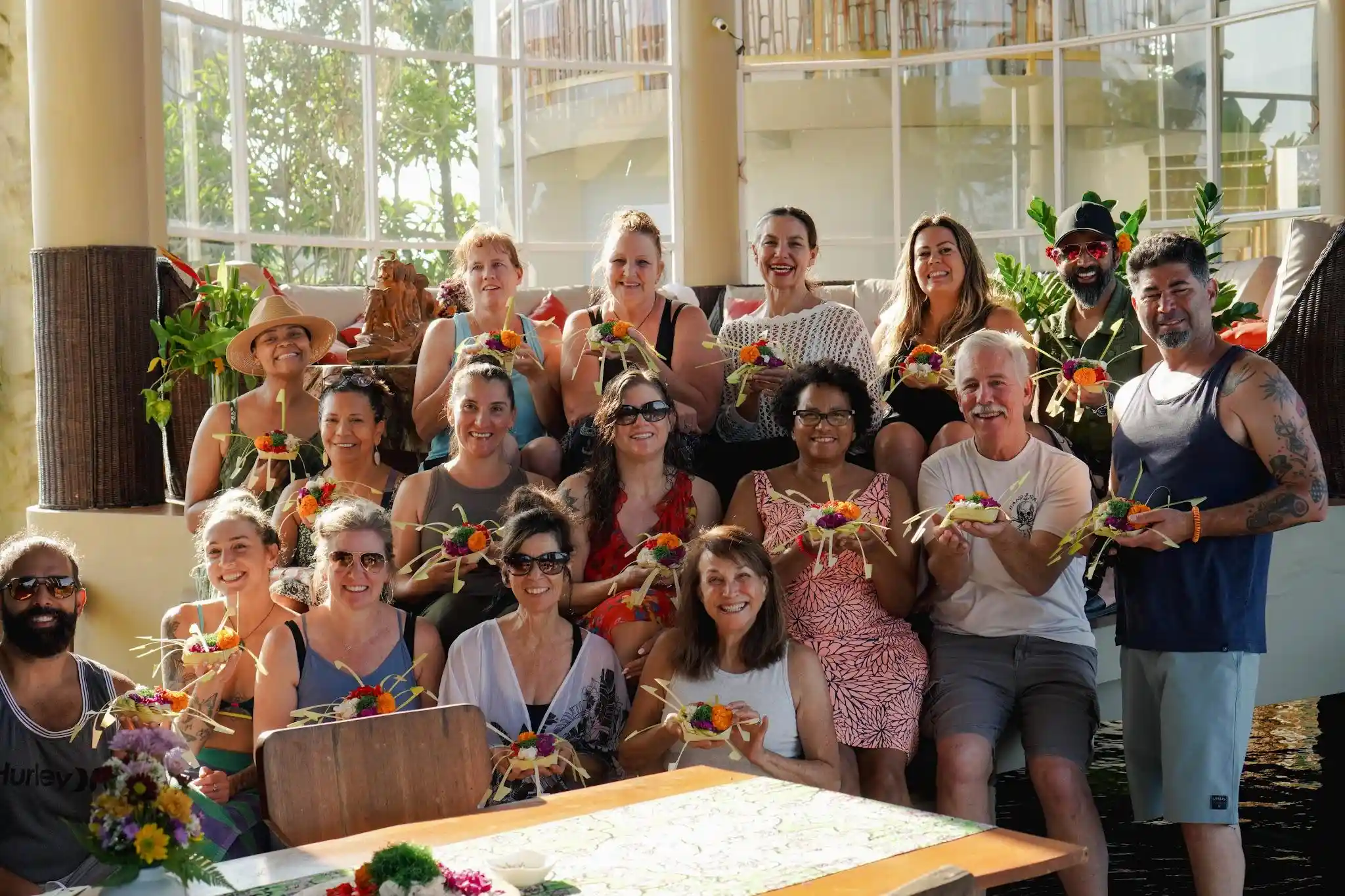
Retreat pricing is a balancing act. Charge too little and the math doesn’t work once flights, marketing, and your own time are accounted for. Charge too much without a venue and program to match, and bookings stall.
The variable that determines which side you land on is rarely the ticket price. It’s whether your costs are predictable.
An all-inclusive eco-luxury venue changes the entire equation. Instead of separately budgeting for accommodation, food, transport, equipment rental, and the inevitable emergency fixes, a single partner absorbs those variables into one predictable line item. That predictability is what actually protects margin — not squeezing the cheapest possible day rate out of a villa listing.
A simple starting point is:
Retreat Revenue
Number of paying participants × Retreat Ticket Price
Then consider:
Retreat Costs
Venue + accommodation + meals + transportation + activities + facilitators + marketing + payment fees + other operating expenses
Your estimated retreat profit is then:
Estimated Gross Profit
Retreat Revenue − Total Retreat Costs = Estimated Gross Profit
This is where choosing the right venue becomes important.
A venue that bundles accommodation, meals, facilities, transportation and selected experiences into a clear package can make your financial planning much easier. Instead of managing ten different suppliers, you may have one retreat partner coordinating many of the operational details.
At Floating Leaf, for example, retreat packages can include accommodation, airport transfers, use of facilities, housekeeping, drinking water and Wi-Fi, while meals and cultural or wellness experiences can be incorporated according to the retreat design.
The Bodhi Leaf similarly positions itself as a full-service retreat partner, supporting accommodation, facilities, dining, local experiences and retreat logistics.
Why This Matters for Profitability
Predictability is valuable.
If you know your core venue investment before you begin selling your retreat, you can work backwards to determine:
- How many participants do I need?
- What should I charge?
- What margin do I want to create?
- Which additional experiences can I afford to include?
3. Cultural Integrity: The Value Your Ticket Price Can’t Buy Anywhere Else
Your participants aren’t travelling thousands of kilometers simply to practice yoga in a different building.
They’re coming to Bali.
That creates an opportunity to make your retreat more meaningful by thoughtfully incorporating the island’s culture, nature and traditions.
Instead of simply adding a generic “Bali excursion,” consider experiences that connect with the intention of your retreat.



For example:
- Balinese cultural experiences
- Rice-field walks
- Traditional arts and crafts
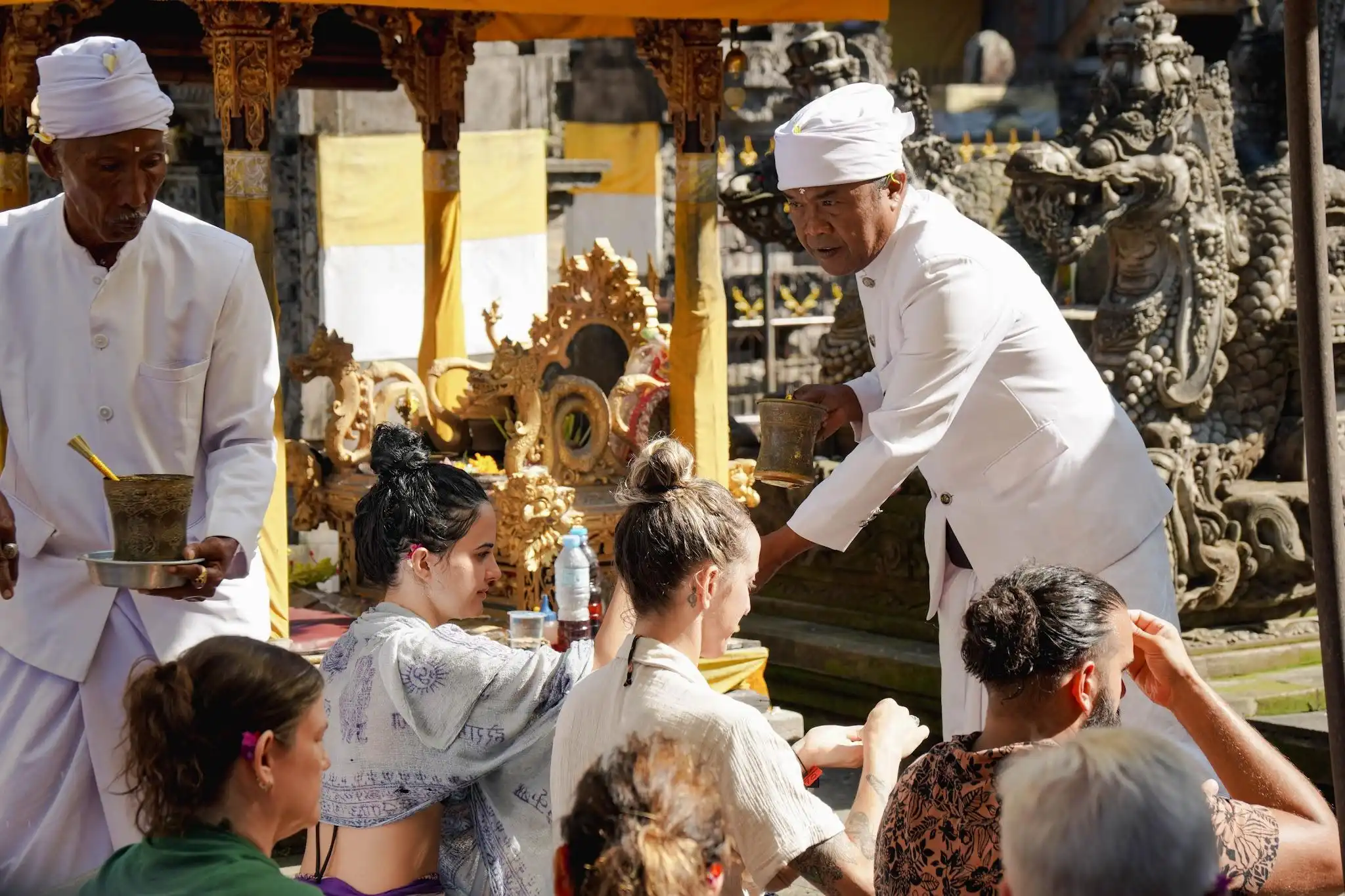
- Sacred water purification
- Local community experiences
- Traditional Balinese wellness practices
At Floating Leaf and The Bodhi Leaf, cultural and healing experiences can be incorporated into retreat programs as part of a broader immersive experience.
But cultural experiences should be approached with respect and authenticity.
The goal isn’t to create a “Bali-themed” retreat. The goal is to give participants a genuine opportunity to experience something meaningful about the place they are visiting.
Bali has no shortage of villas that can host a retreat. What’s much harder to find — and what genuinely justifies a premium ticket price — is access to Bali’s living spiritual and healing traditions, done with respect and authenticity.
A true yoga retreat center in Bali does more than provide a shala with good light. The strongest programs offer participants access to verified balian, Bali’s traditional healers, whose practices have been passed down through generations and are woven into the island’s daily spiritual life. This isn’t a staged “cultural experience” — it’s a genuine point of connection that participants remember long after the yoga poses are forgotten.
4. Don’t Forget the Retreat Leader’s Own Costs
One common mistake when calculating retreat profitability is looking only at the venue cost.
Your own costs may include:
- Flights to Bali
- Travel insurance
- Marketing
- Website or booking platform fees
- Payment processing fees
- Your teaching or facilitation team
- Photographer or videographer
- Additional staff
- Personal transportation
- Additional nights before or after the retreat
- Business expenses and taxes
This means your venue margin is not necessarily your final business profit.
5. Consider the Value of an All-Inclusive Retreat Partner
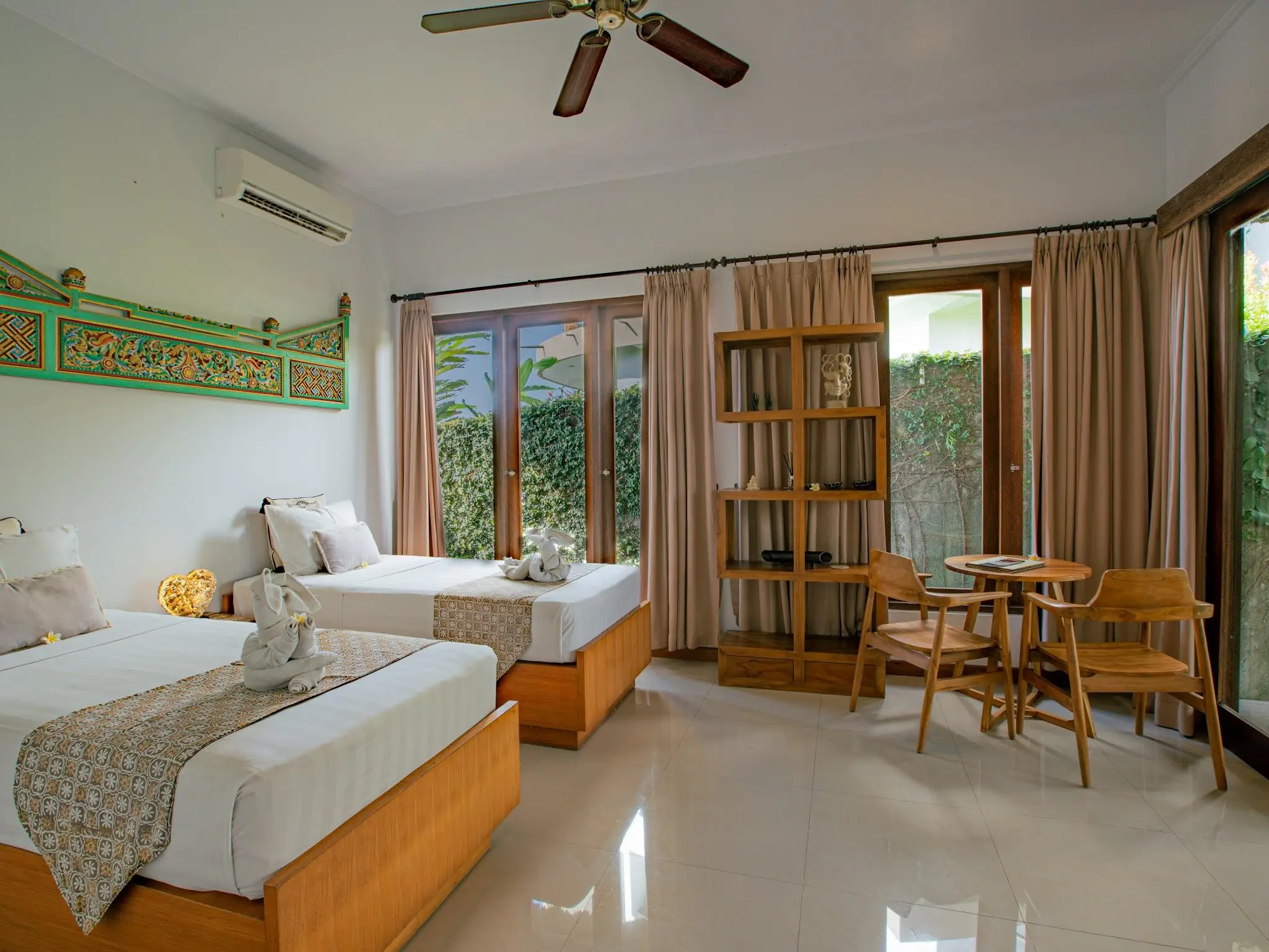
A dedicated retreat center can offer something a villa often cannot: experience and infrastructure specifically designed for retreat leaders.
At Floating Leaf, retreat leaders receive support from the planning stage through arrival, activities, meals, transportation and the final departure.
The Bodhi Leaf similarly describes its role as more than simply providing a venue, with support for retreat design, marketing, accommodation, dining, facilities and local experiences.
For a retreat leader, this can mean fewer moving parts to manage. And that has a financial value.
Time Is Also a Retreat Expense
Every hour you spend coordinating drivers, checking menus, solving accommodation problems or communicating with multiple suppliers is time you aren’t spending:
- Preparing your retreat content
- Supporting your participants
- Marketing your retreat
- Building your community
- Creating your next offering
A good retreat venue should therefore help you reduce operational complexity, not simply provide a beautiful backdrop.
6. Create Your Ticket Price From the Bottom Up
Most first-time leaders price a retreat backward. They look at what a competitor charges, or what simply feels right for a week in Bali, and hope the numbers work themselves out once costs come off the top. It’s how retreats end up either underpriced — the leader effectively works for free once everything is accounted for — or overpriced to the point where bookings stall.
A bottom-up approach flips the process, and it’s simpler than it sounds:
For example, imagine your estimated venue investment is:
$1,500 per participant
You might decide to price your retreat at:
$3,000 per participant
That creates:
$1,500 gross contribution per participant
With 12 participants:
12 × $1,500 = $18,000
But remember: this is not automatically your final profit. You still need to account for your own business expenses.
This is why we recommend building a simple profitable retreat planning template before announcing your retreat.
7. Want to Remove the Planning Stress?
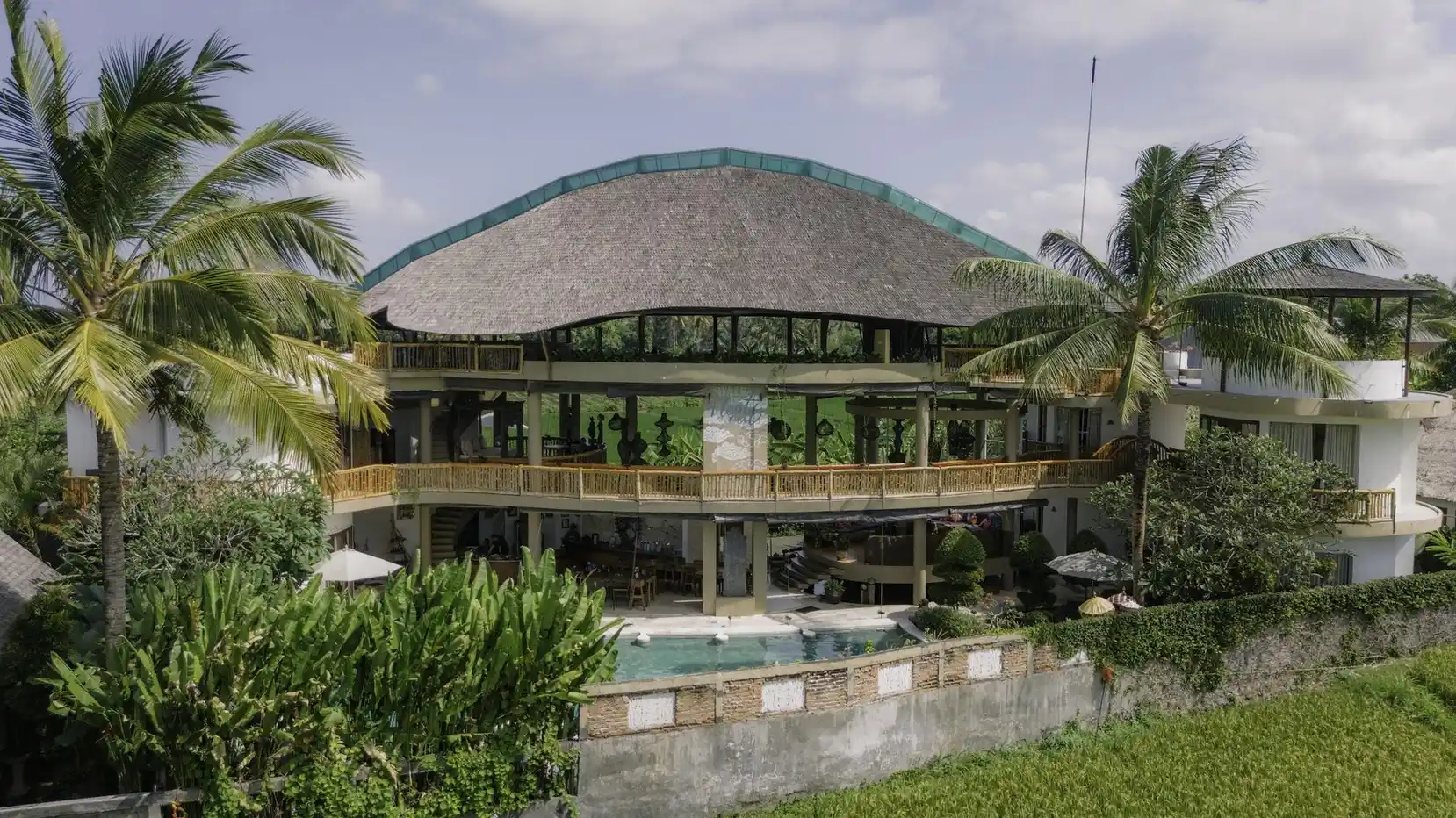
Hosting a retreat in Bali doesn’t have to mean gambling on a villa listing, chasing down caterers, or hoping the Wi-Fi holds. An all-inclusive eco-luxury venue with predictable costs, leader perks, and genuine access to Bali’s cultural traditions turns retreat planning from a logistics headache into what it should be: the easiest part of your job.
If you’re planning your next retreat and want a partner who handles the venue, the catering, the transport, and the cultural experiences properly — get in touch with the Floating Leaf Eco Retreat and The Bodhi Leaf team. We’ll walk you through pricing, availability, and what’s included, so your only job is showing up to lead.