Photo by Kaylee Garrett via Unsplash
The wellness world evolves quickly. What was fringe five years ago is now mainstream, and what was considered essential in retreat design just a year ago may already feel outdated. But unlike fast-moving industries, trends in wellness don’t just shift because of novelty — they shift because human needs change.
And right now, those needs are changing more rapidly than ever.
People are arriving at retreats differently than they used to. They’re coming with more stress, more digital fatigue, more health awareness, and in many cases, a deeper longing for rest and meaning — not stimulation.
So instead of asking, “What’s trending?”, the better question for retreat leaders in 2026 is:
“What are guests actually craving?”
After hosting thousands of guests from around the world and working closely with facilitators across modalities, here are the trends that are not simply “popular,” but meaningful.
A Shift Toward Nervous System Support
For years, many retreats leaned into intensity: transformational breathwork, cathartic releases, ice baths paired with high-heat sauna cycles — all designed to break people open.
There’s nothing inherently wrong with these modalities, but their role is changing. Today’s retreat participants arrive already overstimulated — mentally, emotionally, and physiologically. Instead of craving experiences that push them further, many are looking for environments that help them finally slow down.
In 2026, nervous system awareness will sit at the center of retreat design. Gentle breathwork, restorative yoga, somatic grounding, slow practices, and intentional rest aren’t “lightweight” — they’re foundational.
Personalization Over Prescription
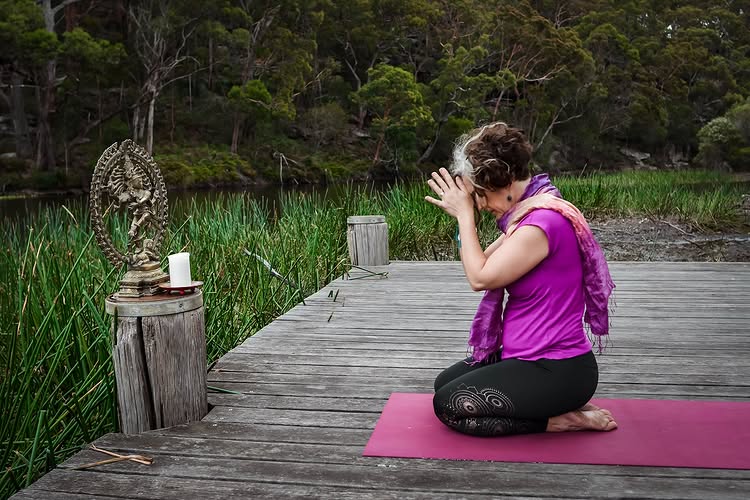
Photo by Bali Floating Leaf
One of the biggest shifts we’ve noticed is that guests no longer expect one retreat schedule to fit all. People know their bodies differently now — from food intolerances and hormone awareness to sleep patterns and emotional thresholds.
Retreats that allow options — softer vs. stronger movement tracks, customized meal adjustments, spacious free time versus full-day structures — create more safety and satisfaction than rigid, heavily programmed itineraries.
In 2026, custom-feeling retreats will be more valued than perfectly curated ones.
A More Grounded Approach to Detoxing
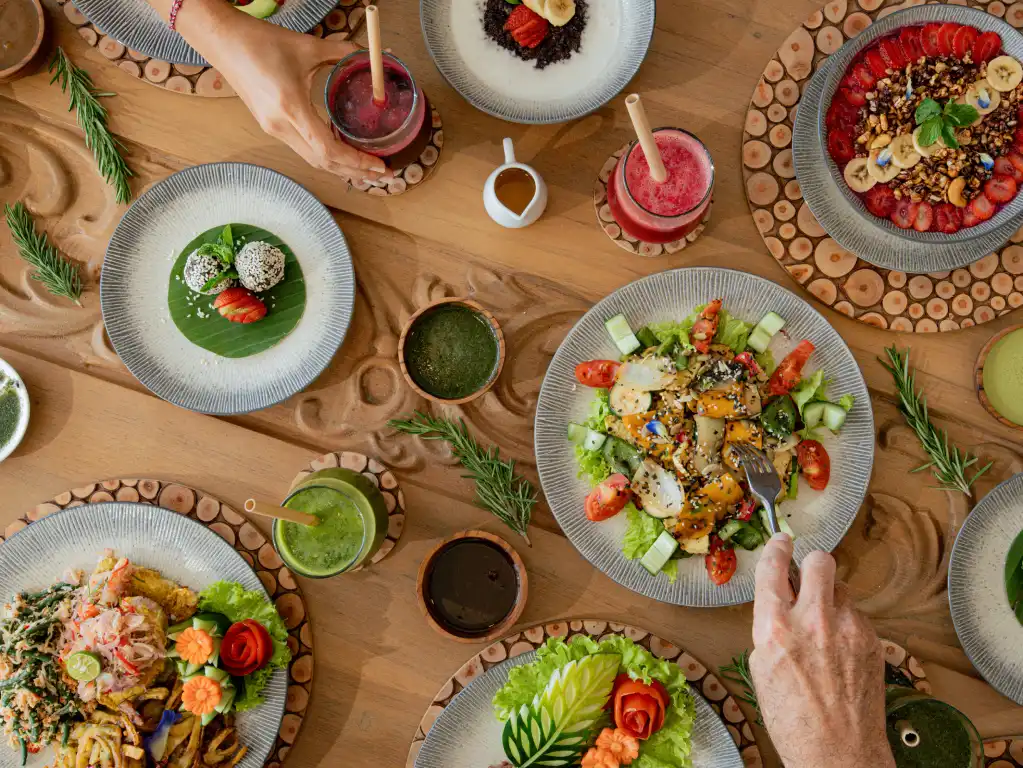
Photo by Bali Floating Leaf
Detox retreats aren’t disappearing, but they’re maturing.
“Extreme cleansing” approaches — juice-only days, fasting without preparation, aggressive herbal purging — are being replaced by programs that support the body gently and intelligently.
Warm, digestible meals. Slow-cooked broths. Fermented foods. Enzyme-rich fruits. Mindful herbal support. These choices align with how the body actually heals.
People are no longer impressed by how intense a detox is. They care how it makes them feel — and whether it’s sustainable beyond the retreat.
Cultural Respect Over Trend Adoption
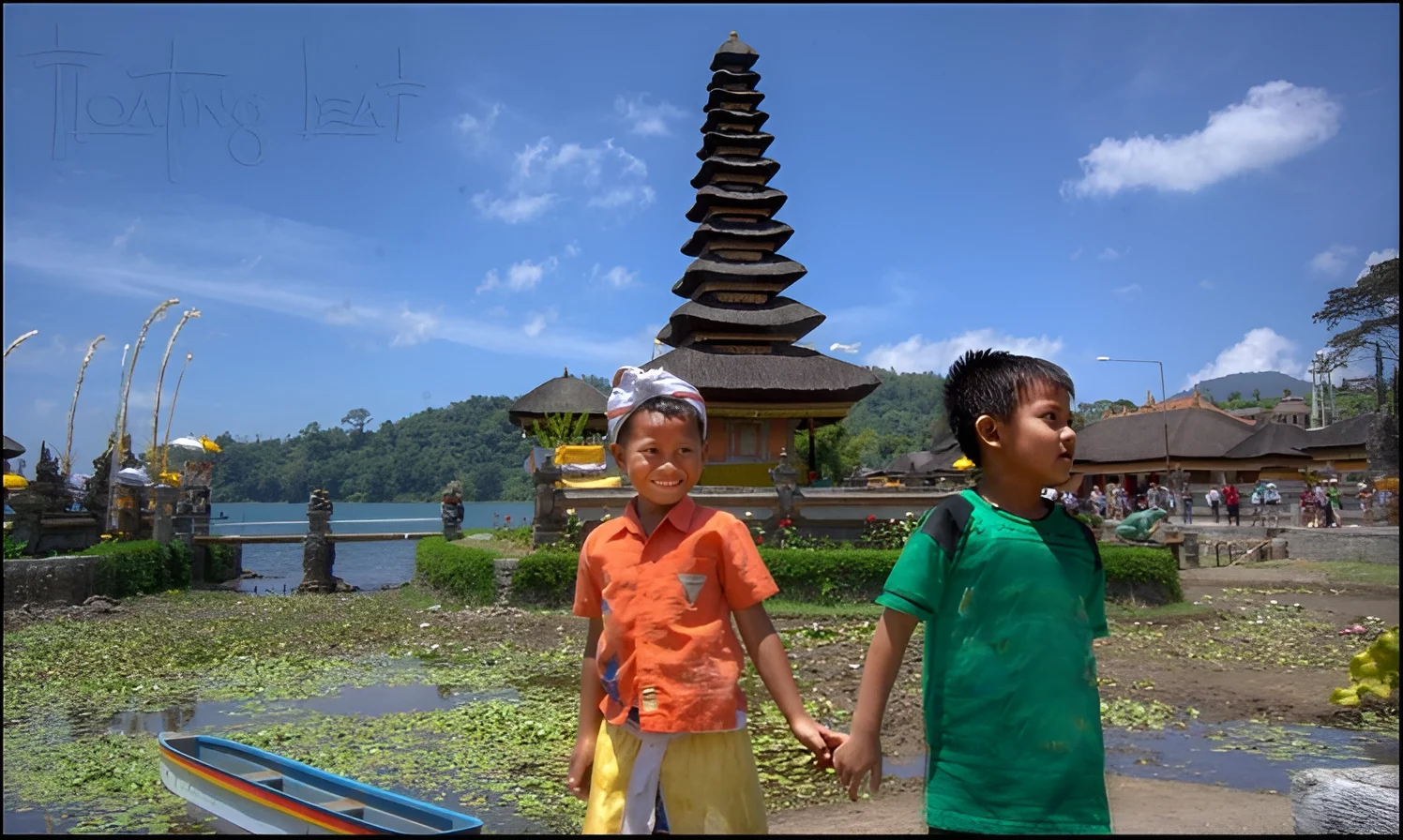
Photo by Bali Floating Leaf
This shift is especially important for retreat leaders in Bali.
People are increasingly aware of what’s genuine and what’s performative. Ceremonies, rituals, indigenous practices, and lineage-based healing aren’t “activities” — and guests can feel the difference between a culturally appropriate experience and one positioned mostly for effect.
The retreats that will stand out in 2026 are those that collaborate thoughtfully with local experts, honor context, and offer cultural experiences not as entertainment — but as relationship.
More Space, Less Schedule
One of the most consistent pieces of feedback we hear from facilitators and guests is:
“The best insights came when nothing was scheduled.”
In 2026, retreats will lean even more into spaciousness — not as a break in the itinerary, but as part of the experience.
Unstructured mornings. Integration time after deep sessions. Nature without instruction.
People don’t just need activities — they need space to metabolize what the activities awaken.
Emotional Safety as Part of the Facilitator Role
As more people seek retreats for emotional or life transition support — not just yoga or fitness — expectations are shifting.
Retreat leaders are no longer just instructors. They’re space-holders. Integration guides. Nervous system stewards.
This doesn’t mean every facilitator must become a trauma therapist. But awareness matters. Boundaries matter. Debriefing time matters. Language matters.
In 2026, psychological safety will be considered part of a retreat’s hospitality — not an optional skillset.
Sustainability and Integrity Beyond Marketing Claims
Finally, guests are becoming more conscious of where their money goes and how retreat centers operate.
They ask where food is sourced.
They notice how staff are treated.
They care whether the retreat impacts — or benefits — the local community.
Sustainability isn’t a box to check anymore. It’s part of the experience.
A Final Thought
Retreats in 2026 won’t be defined by how many modalities they include, but by how thoughtfully they are designed. The future of wellness isn’t louder — it’s quieter. It’s more intentional, more personal, more grounded in respect and nervous system awareness.
Participants are no longer looking for retreats that overwhelm them with options or intensity. They are looking for spaces where they can exhale — where the environment, programming, and facilitation work together to help them reset rather than perform.
And that’s the real opportunity for retreat leaders now: not to keep up with trends, but to curate experiences that feel human, thoughtful, and genuinely supportive.
At Floating Leaf, this philosophy is at the heart of everything we do. Whether you’re designing your first retreat or refining your tenth, our team is here as a partner — helping you align programming, food philosophy, healing sessions, cultural integration, and pacing so your retreat unfolds with purpose and clarity.

Photo by Bali Floating Leaf
Promoting your retreat doesn’t have to feel overwhelming either — especially with a location that naturally speaks for itself. With lush rice fields, ocean views, beautifully designed spaces, and thoughtful hospitality, Floating Leaf makes it simple to create content that resonates and attracts the right participants.
As a host, you’ll also have access to tools and support designed to set you up for success:
- A FREE customized landing page shared with our community (see in our Upcoming Retreats page for examples!)
- A step-by-step Retreat Builder Tool to help you plan everything seamlessly
If you’re ready to build a retreat that reflects where wellness is going—not where it’s been—we’d love to support you.
Explore our Host a Retreat page when you’re ready, or request access to the Retreat Builder to begin shaping your vision.
Your retreat.
Our experience.
Shared intention.
Let’s create something meaningful — together.